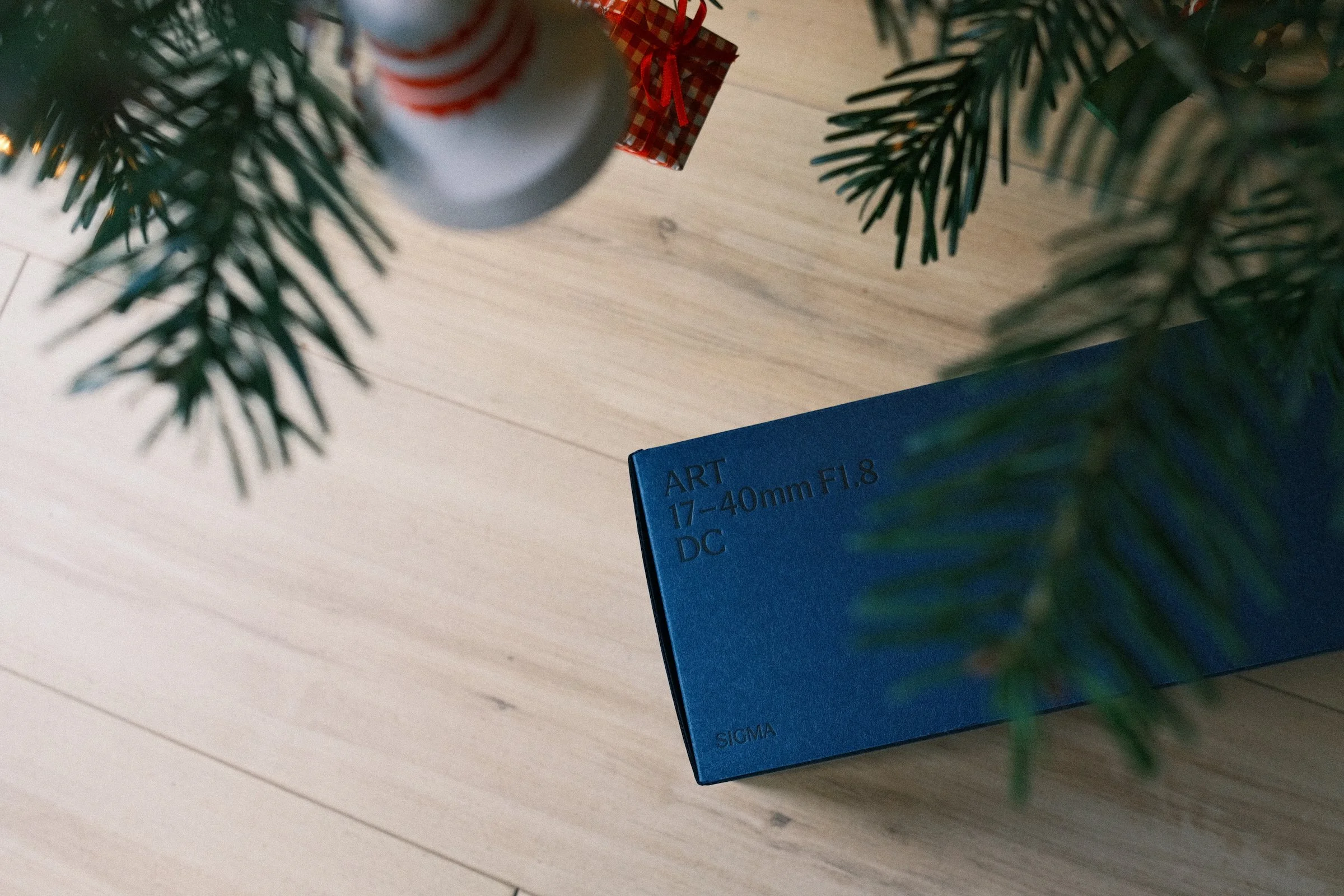
A tale of two lenses (part 1) TT Artisan 25mm f2
Recently I’ve bought myself two new lenses, both are about as different from each other as you can get, both serve very different purposes, have incredibly different specifications, are at polar opposite price points, and are used in very different ways.
The second lens will be a feature of a future blog post at some point, but for now I want to discuss the TT Artisan 25mm f2 for Fujifilm X mount.
Why choose the TT Artisan 25mm f2 lens for Fujifilm X Mount?
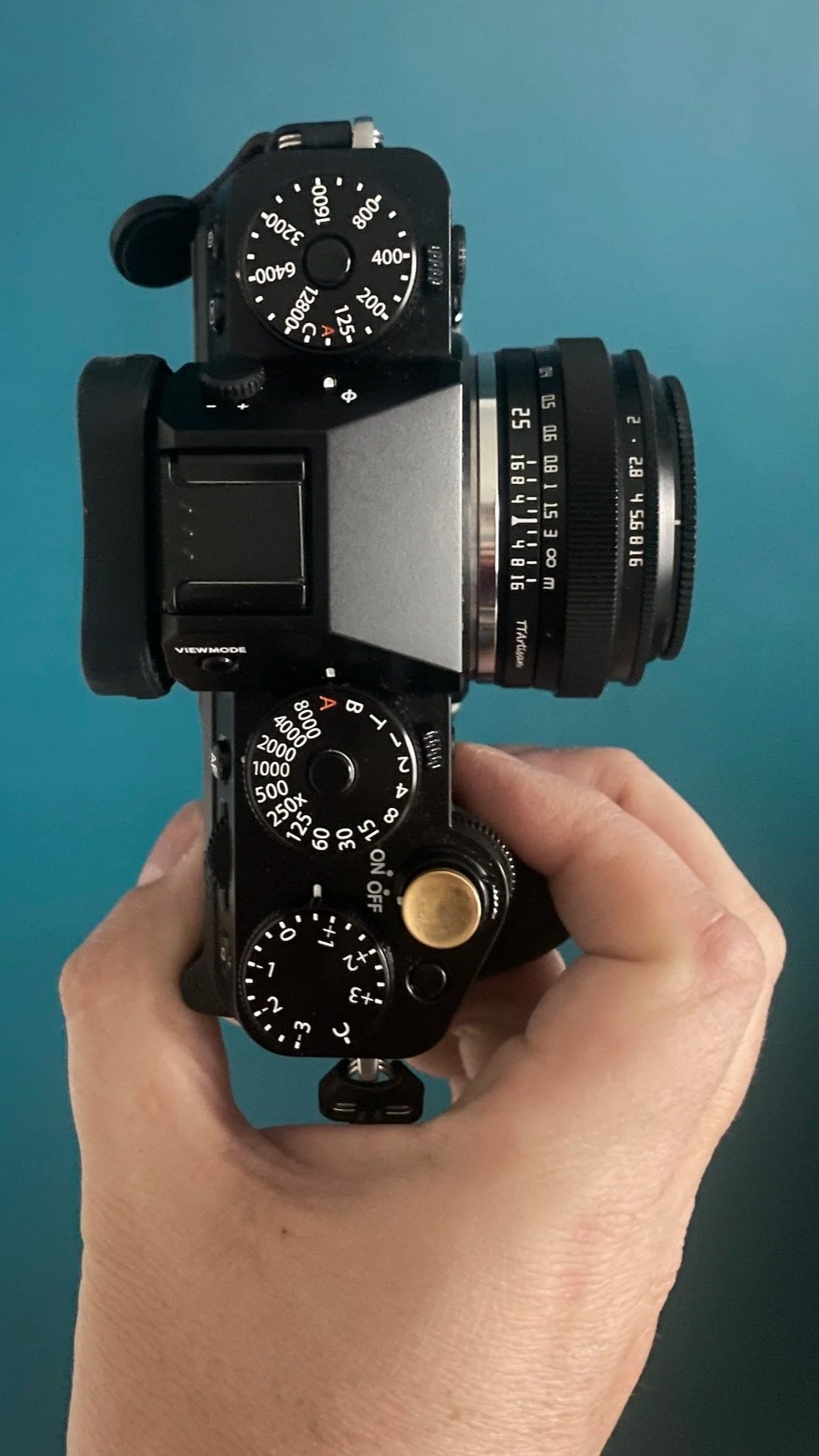
There are a bunch of reasons why I love Fujifilm cameras, but the main one is they are incredibly tactile. They have dedicated dials for a lot of the key controls, as you can see in the image of my X-T5. This makes photography, for me, an incredibly mindful experience. The TT Artisan 25mm f2 fits both this approach to photography, and the aesthetic of the camera well in my opinion.
It invites you to slow down, take your time over the creation of your images, and to enjoy a more manual approach.
This doesn’t mean it’s difficult to use, far from it, what I mean is it’s a more tactile experience.
This is coupled with optics that are incredibly sharp for the price, a good build quality, and a pleasant experience to use it, but more on those aspects of it later.
Who is the TT Artisan 25mm f2 lens for?
This might sound like a cop out, but I think any Fujfilm shooter can get a lot of use out of this lens. But I think there are a few reasons this would particularly appeal to people newer to photography:
The price point - this lens cost me £69 brand new from Wex.
The manual focus - you have to learn how to get things in focus yourself, without relying on the autofocus ‘in-camera’
It’s small, and portable, meaning it can live on your camera and make it easier to take your camera out with you more of the time - important for when you’re learning
The 25mm focal length on the 1.5x Fujifilm ASPC crop sensor works out at 37.5mm in the 35mm format. What this means is that it’s not far off the focal length many people equate to human vision. Therefore it provides quite a ‘natural’ view of the world. For newer photographers this will mean it’s easier to see images of a style you’re more familiar with from your everyday experience of looking at the world around you
By its nature of being a prime lens it forces some creative limitations on you. Meaning you have fewer options to consider than a zoom lens, simplifying your time out with your camera
Equally, I think more advanced photographers will be pleasantly surprised by its sharpness for the price, and therefore can benefit from a smaller package, and an affordable pancake lens for the Fuji X mount system.
Finally, due to its manual nature it will slow anyone who uses it down, making your experience with your camera more intentional, more mindful and, in my book, that’s no bad thing.
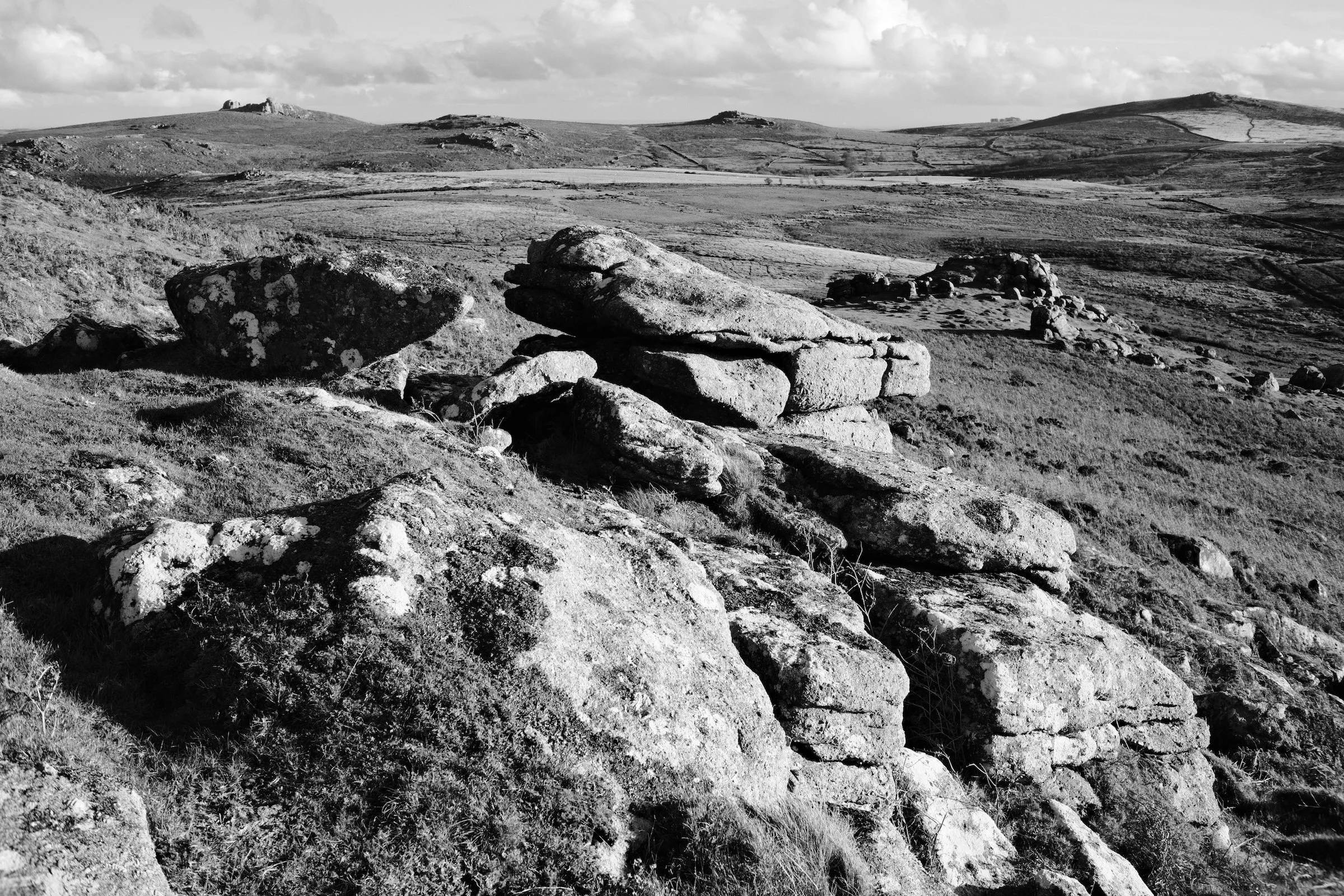
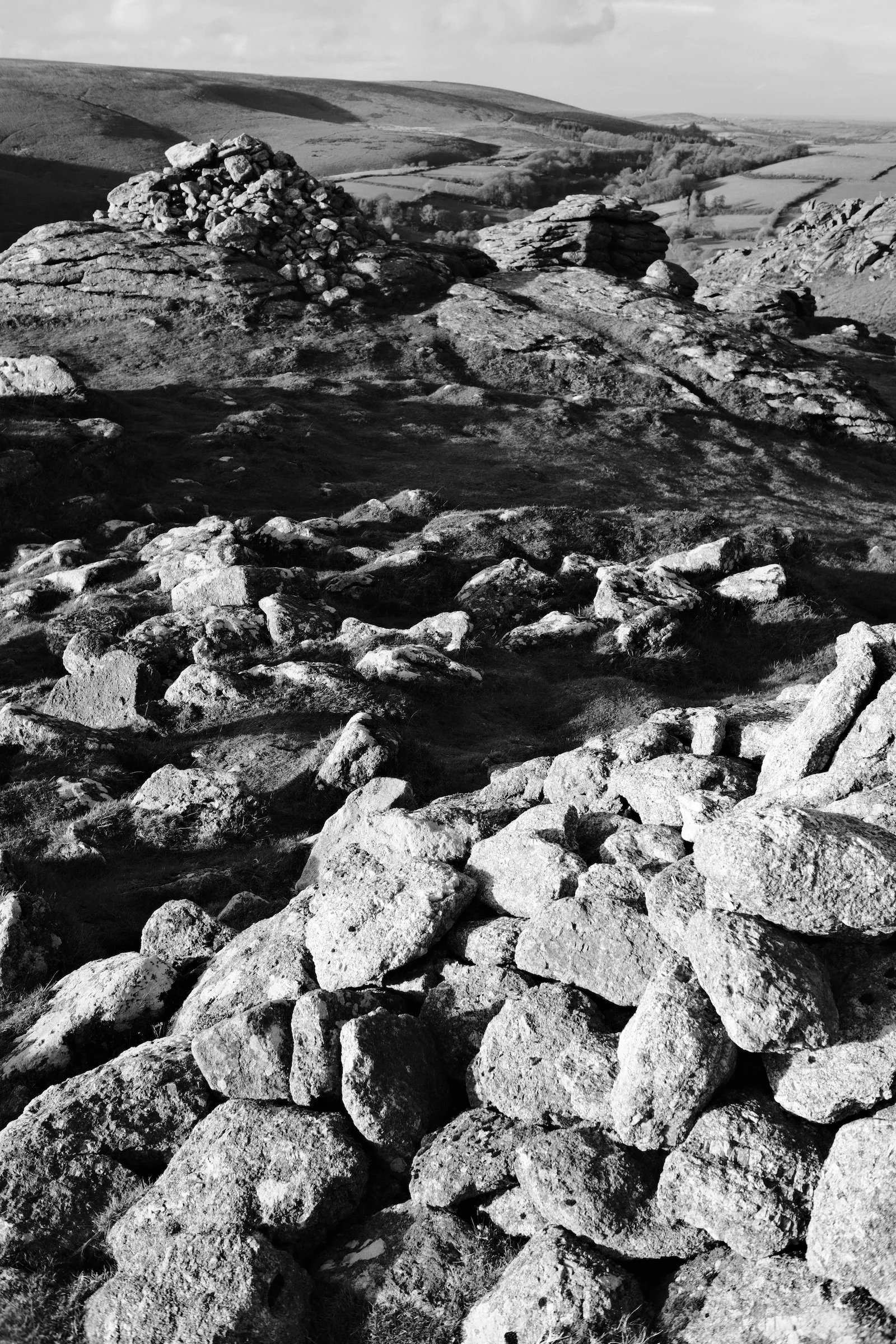
Apart from the image at the start of this post all the other images were taken with this lens, giving you an idea of the sort of quality you can expect from it on a photo walk around Dartmoor National Park.
Build quality & design of the TT Artisan 25mm f2
The build quality of this lens surprised me when I took it out of its small, but well padded box.
It’s made entirely of metal, the body of the lens, the machining of the ribbing on the focus and aperture rings is pleasingly crisp, but not sharp. The damping of the rings is also very pleasant; they don’t rotate too freely, but also don’t feel too stiff. The lens cap is metal, and screws on via the 43mm filter thread at the front of the lens.
Its not a lens I'll be using in the rain as it has no form of gasket at the rear of the lens, nor is it weather sealed, but then you wouldn’t expect it of a lens at this price point.
The glass is pleasingly sharp, rendering images nicely on the challenging 40 million pixel sensor in my X-T5. Look at the textures that are picked out in some of the images in this post to see for yourself.
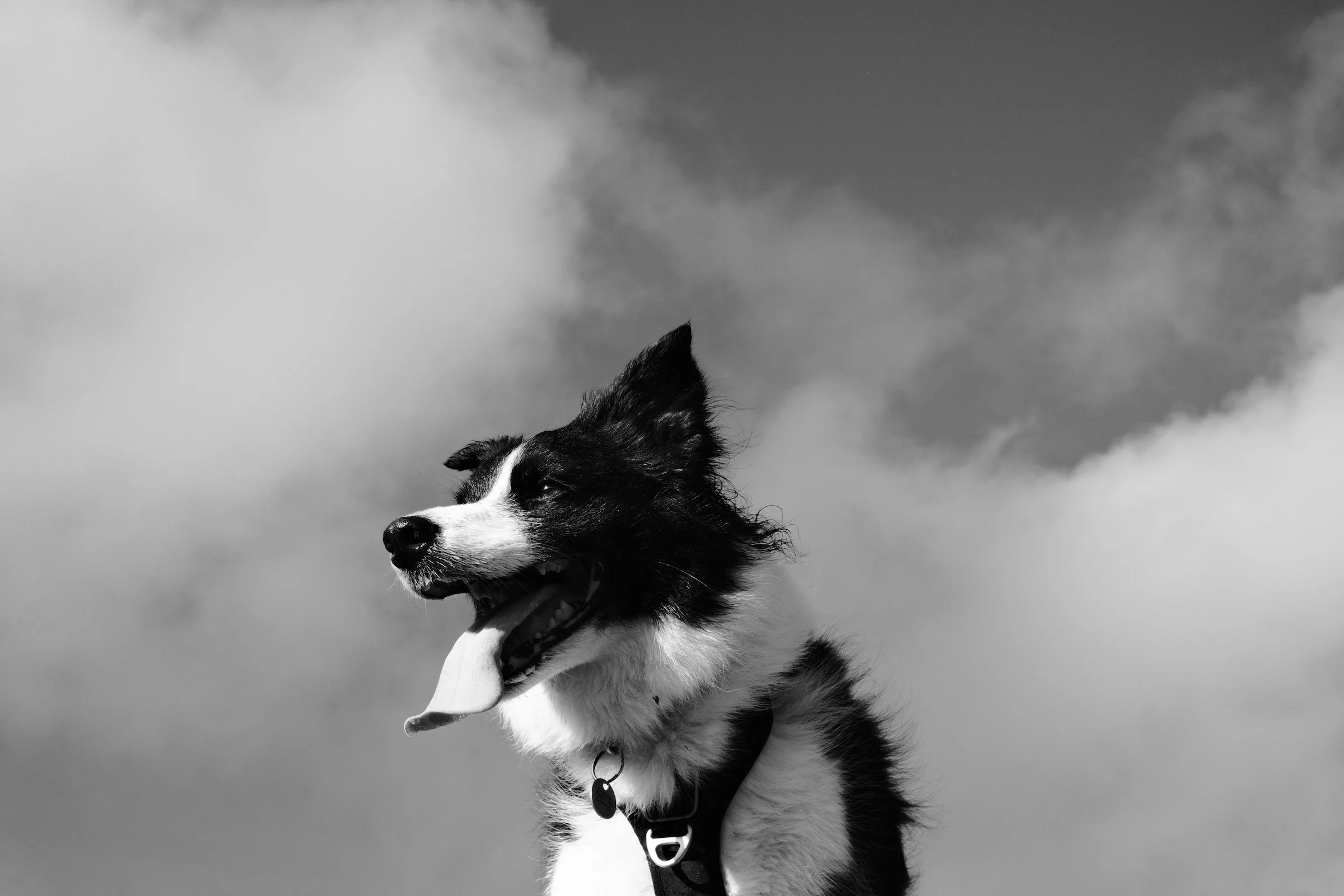
The lens has 7 aperture blades, meaning it creates pleasing bokeh when you open the aperture up towards f2, and can be stopped down to f16. A smaller aperture at the small end would have been nice for landscapes with great depth like those Dartmoor offers, but f16 works just fine for most situations, and its a trade off I'm happy with for the size, weight and price of the lens as it is.
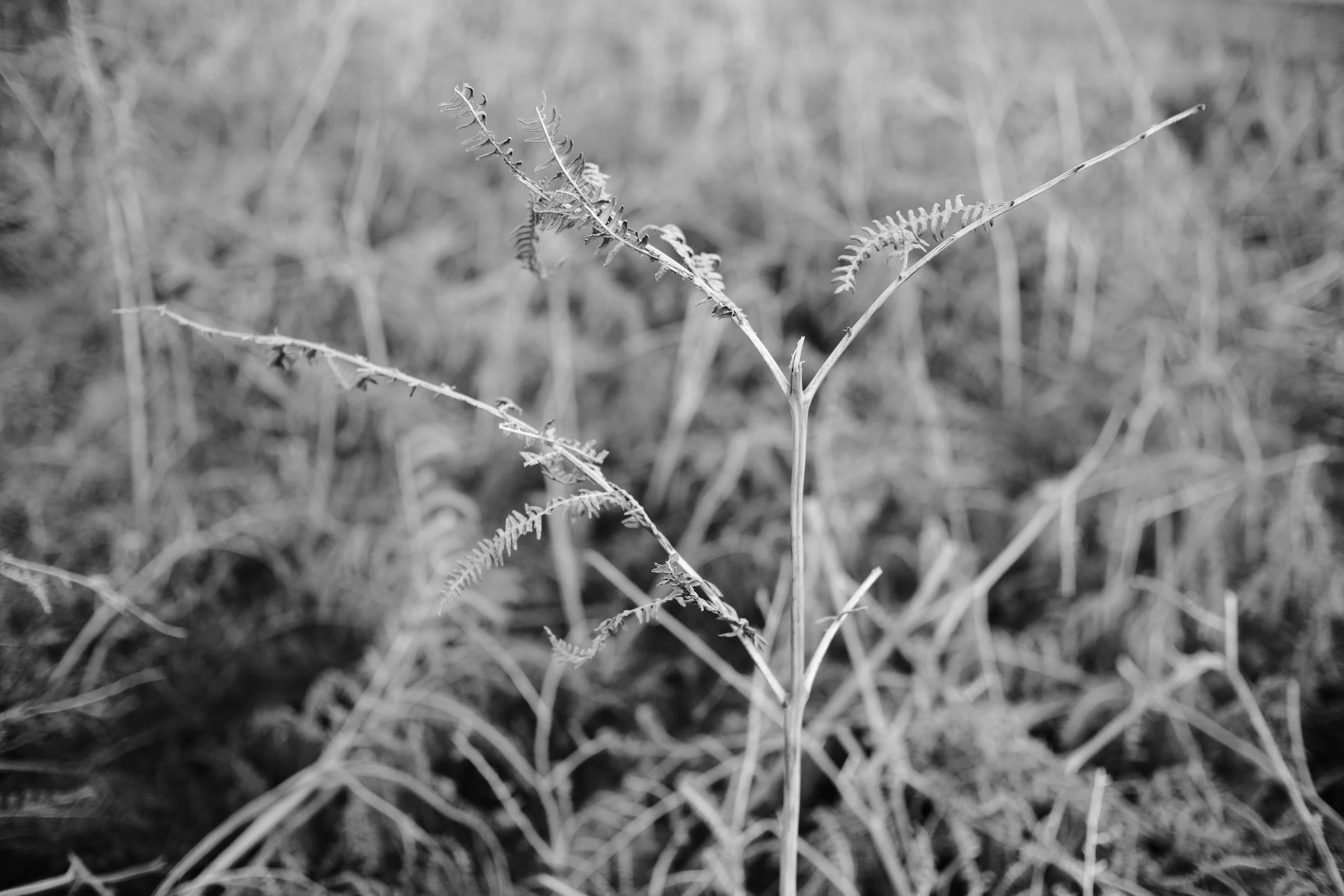
Image quality with the TT Artisan 25mm f2
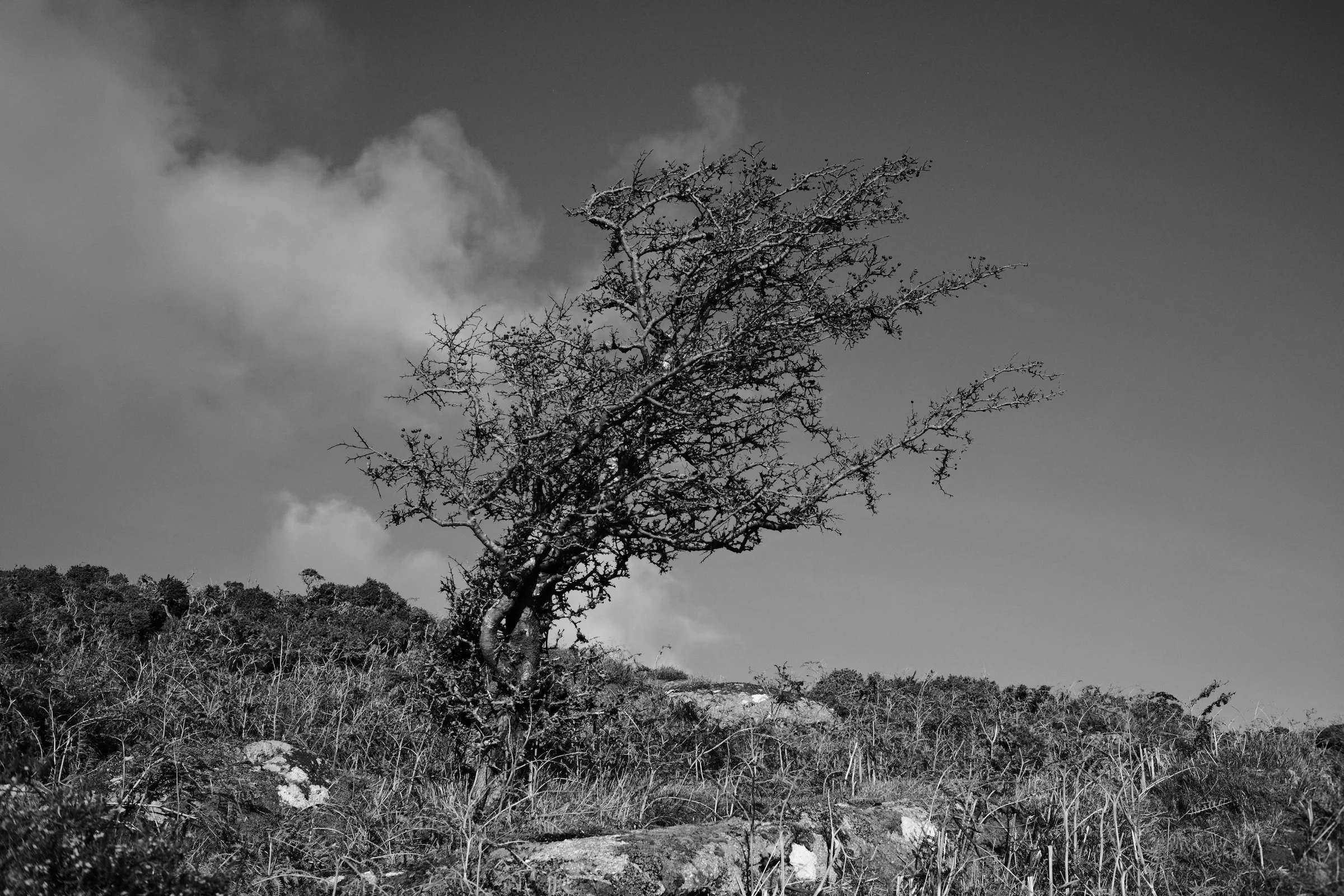
As I've mentioned, the 40 megapixel X Trans V sensor in the Fujfilm X-T5 is demanding on lenses to make the most if it. I wasn’t expecting things to be as crisp as they are with this £69 lens. I will admit I don’t pixel peep, I don’t bother shooting walls of bricks or test charts, I'm more interested in how the images of things I'm likely to photography come out, in those instances I’m quite happy with what its capable of. Look at all the detail in the branches of the tree below.
I’d have no qualms about printing images created with this lens at A2 if I've taken the time to work with it as it’s intended - more on that shortly.
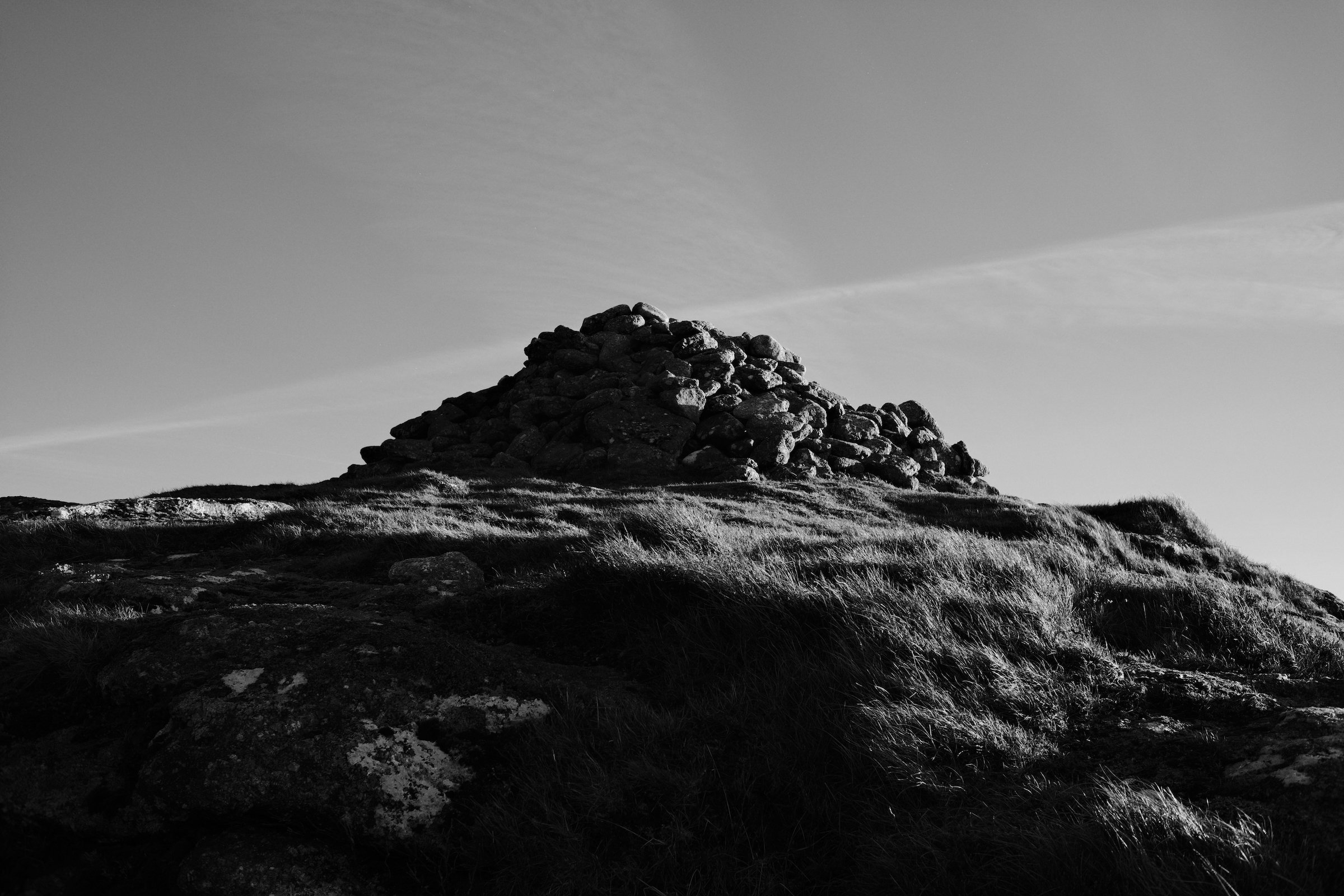
One of the reasons these images are in black and white is I wanted to test out the contrast it captures. The first Fujifilm recipe I've created in black and white is quite contrasty, so I want my lenses to fit with it. Pleasingly this lens doesn’t disappoint on this front either.
Will the TT Artisan 25mm f2 make your photography more mindful?
For £69 I was happy to take a chance on it, and I'm pleased to say the experience of using this lens is what I'd hoped for. It creates images I can happily use, provided I work with it how it’s intended; slowly. The manual nature of it encourages a less hasty pace. For me photography is a great way to slow down, and absorb myself in the world around me through an activity. With an autofocus lens it’s all too easy to snap away and move on. Using a manual only lens forces me to slow down, to put my brain into 0.5x speed, and to feel even more present with the process. . I wouldn’t take this lens to shoot a Formula 1 race, that’s for sure.
The way this lens feels, the machining, the resistance in the damping of the focus ring, the click of the aperture ring, are all pleasingly tactile. As is the feel of the metal body. It feels pleasant to use. It contributes to an enjoyable experience when you take it out with you. So, you notice its presence, both in terms of how you work with it, but also how it feels to use. Both are positives for me
So, it’s got a lot of positives when it comes to both being noticed, but not getting in your way during a photography session. A pleasant tick against the slow, more deliberately mindful approach I hoped it would foster.
Is it all good news?
I could easily bang on about what I like about this lens, but I think its only fair to point out a couple of things that I’m not as keen on for the sake of transparency too.
The lens cap design is a tad irritating. The screw on design means it’s slower to remove, so if you observe the ‘decisive moment’ you want to photograph it takes just that bit longer to be prepared. It could have been a clip on/off design, but I can see why they did this to use the filter thread to keep things more compact.
It would be great if there was a form of gasket fitted to the mount end of the lens to help with a bit of protection if you get surprised with some ‘changeable’ weather.
And for my typical subjects having an aperture smaller than f16 would have been desirable.
But I think it’s important to mention these points in context of why I bought the lens in the first place. It was intended to be a tool to allow me to lean into slower, more intentional photography, not to be a primary lens for when I have a client shoot that demands quality at a high pace.
These trade offs, to me, are perfectly acceptable, especially for the price point it sits at. Let’s not forget this lens costs considerably less brand new than many other lenses in the Fuji system do secondhand.
Final thoughts on the TT Artisan 25mm f2
To take this back to the start, I bought two lenses for two very different reasons. The TT Artisan 25mm f2 was the one I bought as a more intentional, ‘walkabout’ style lens for days when my photography has a slower pace. For when it’s more about enjoying the process with whatever I find myself pointing my camera at. I’m really pleasantly surprised with the quality of images it creates, especially on the X Trans V sensor, and can see myself using it quite a bit in future when I want to take a more laid back approach to a trip out with my camera.
For beginners, those new to the Fujifilm X Series ecosystem, or to those with a tighter budget, I'd suggest this is well worth exploring.
I’ve alluded to this not suiting faster paced, more client or outcome focussed photography, and that’s what the second lens is all about… but that’s a topic for another time.